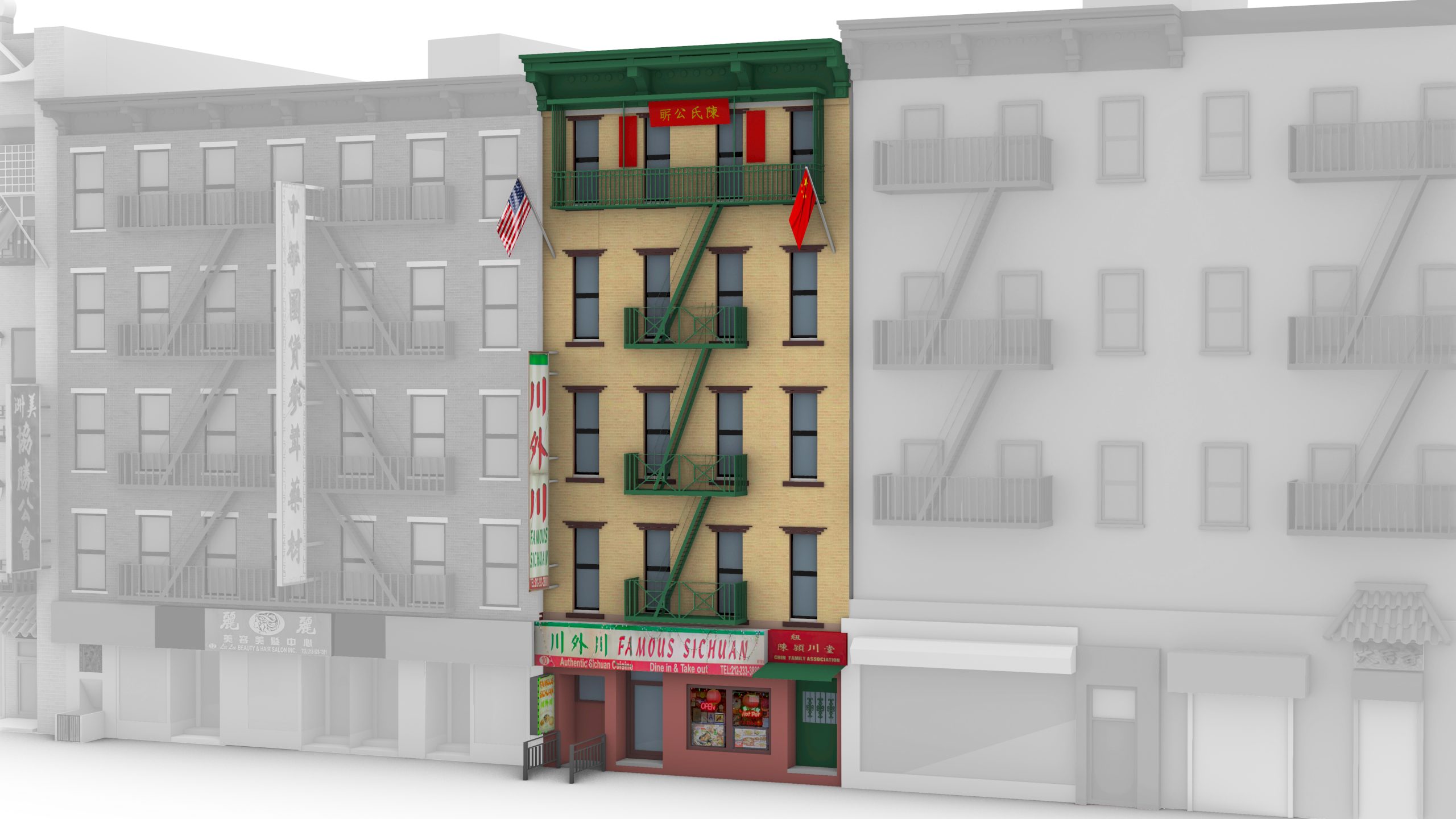
10 Pell
Chin Family Association / Famous Sichuan Restaurant
Built in the 1860s, altered in the 1940s
2024
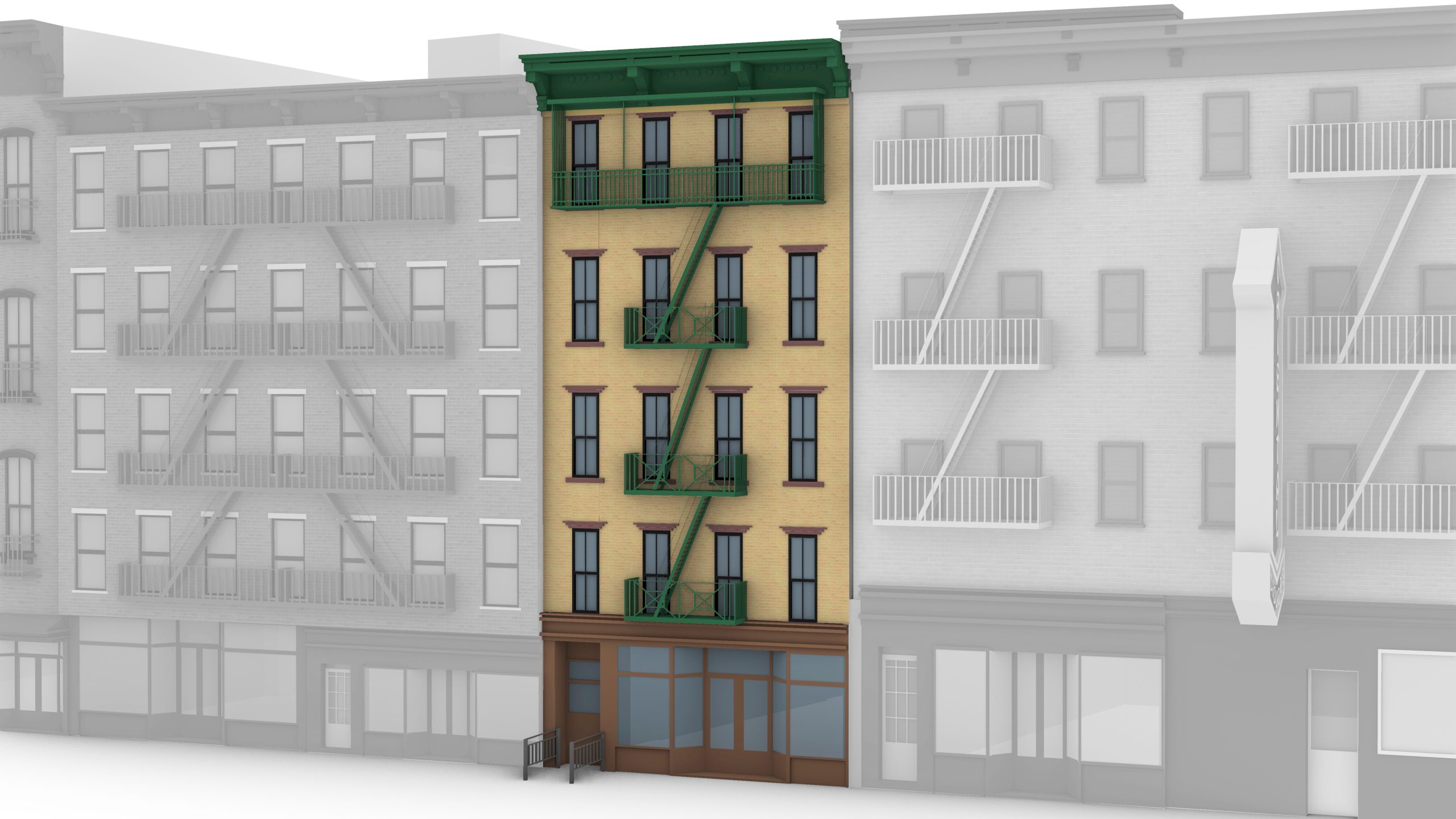
10 Pell
Built in the 1860s, altered in the 1940s
1940s
Interview
WITH ALAN CHIN (MEMBER OF THE CHIN FAMILY ASSOCIATION and CHINATOWN PHOTOGRAPHER)
Interview conducted in August 2022.
All photographs included in this interview are courtesy of Alan Chin.
+ Would you give me an introduction of yourself and your family’s connection to Chinatown?
I was born in 1971 in New York and originally lived in the Bronx, but my first conscious memories are of Chinatown because we moved from the Bronx to 285 Grand Street when I was 2 years old. I went to P.S. 124 at 40 Division Street and I also went to Chinese School at the Chinese Consolidated Benevolent Center (CCBA). My father came to New York from Toishan in 1951 (he was one of the last paper sons) and my mother went from Toishan to Hong Kong in 1951 and then from Hong Kong to New York in 1970. My parents both worked in the Chinatown garment industry — sweatshops — for a number of years. My dad worked in a garment factory at 41 Division on the 3rd or 4th floor. In those days, each floor was a different garment factory… and now it’s becoming this trendy hipster sneaker store, but back then it was a factory building. [The sneaker store has since closed down.]
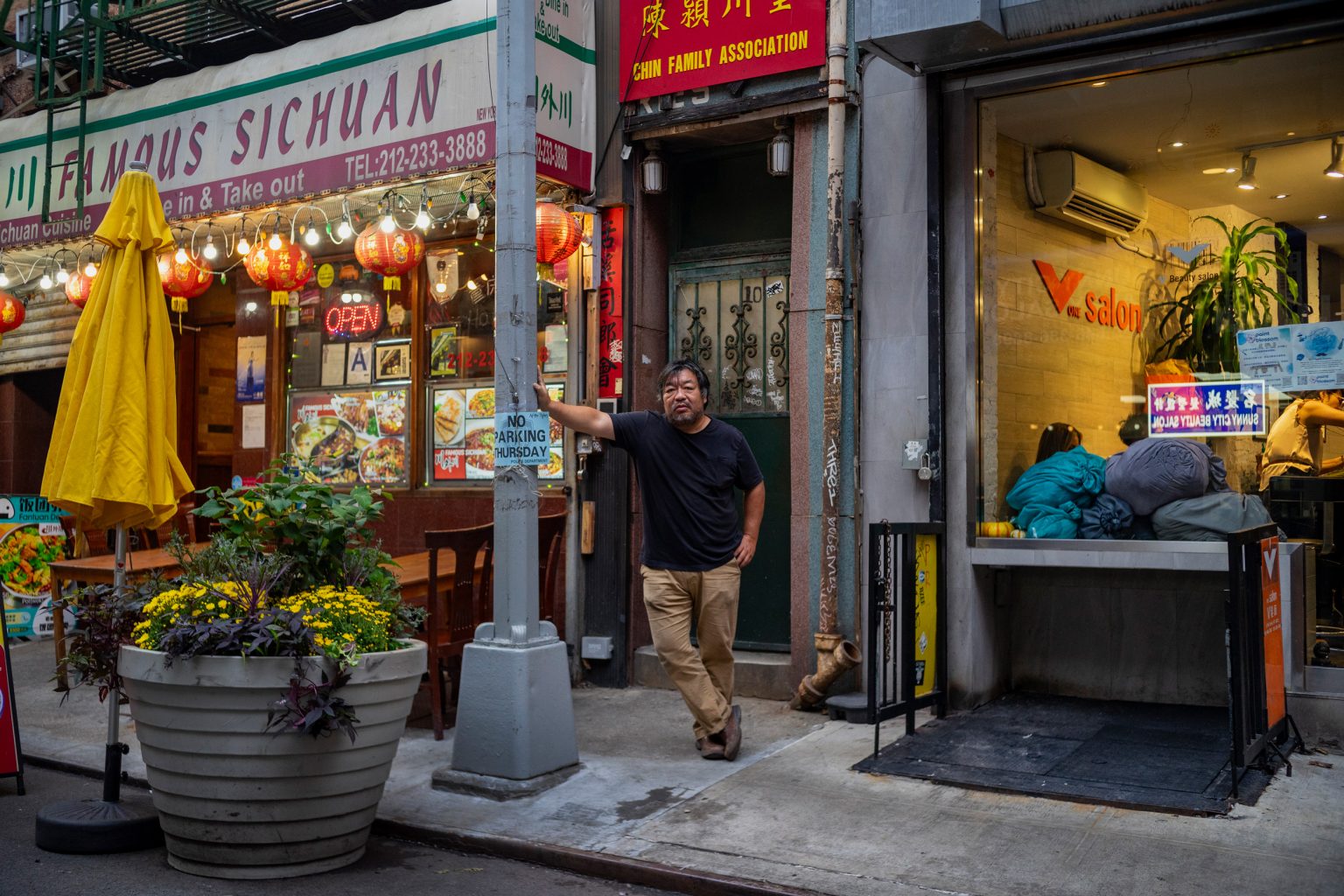
Alan outside of the Chin Family Association at 10 Pell Street, Manhattan Chinatown, September 2024. Photograph by Hannah Derbes Chin.
Working in the sweatshops was seasonal, so there was frequent unemployment and people had to seek new jobs every few years. Both my parents, through the year of my initial childhood, worked in around three to four factories each — never the same one. There were many years in which there were spells of unemployment. I really grew up in the neighborhood.
My parents never worked much more than minimum wage and it was often less; my mother was paid by piecework. The total could be low if you’re not that fast. My dad was barely paid minimum wage, but they were both members of ILGWU (International Ladies Garment Workers Union). Even though they were underpaid, they did have healthcare and a tiny pension from the union that supplemented their social security.
The Chinese Exclusion Act ended in 1942/1943, but the last vestiges continued until 1965. My dad came in 1951. [via] an uncle he had never met, who didn’t have children of his own. My dad, his nephew, was the closest thing to a son. It was one of the most difficult decisions of his life, to come or not. He was already married to my mom. In 1949, my father was sympathetic to the communists, as most people were at the time. He was curious about what they would do. When the communists arrived in his area, they wanted to recruit him and send him to a People’s University, a training school to become a communist administrator, because he was poor and literate and the right age (about 20 years old). To help build the New China was attractive to my father, but so was going abroad. Even though he had to leave his wife and two young children behind, he did it.
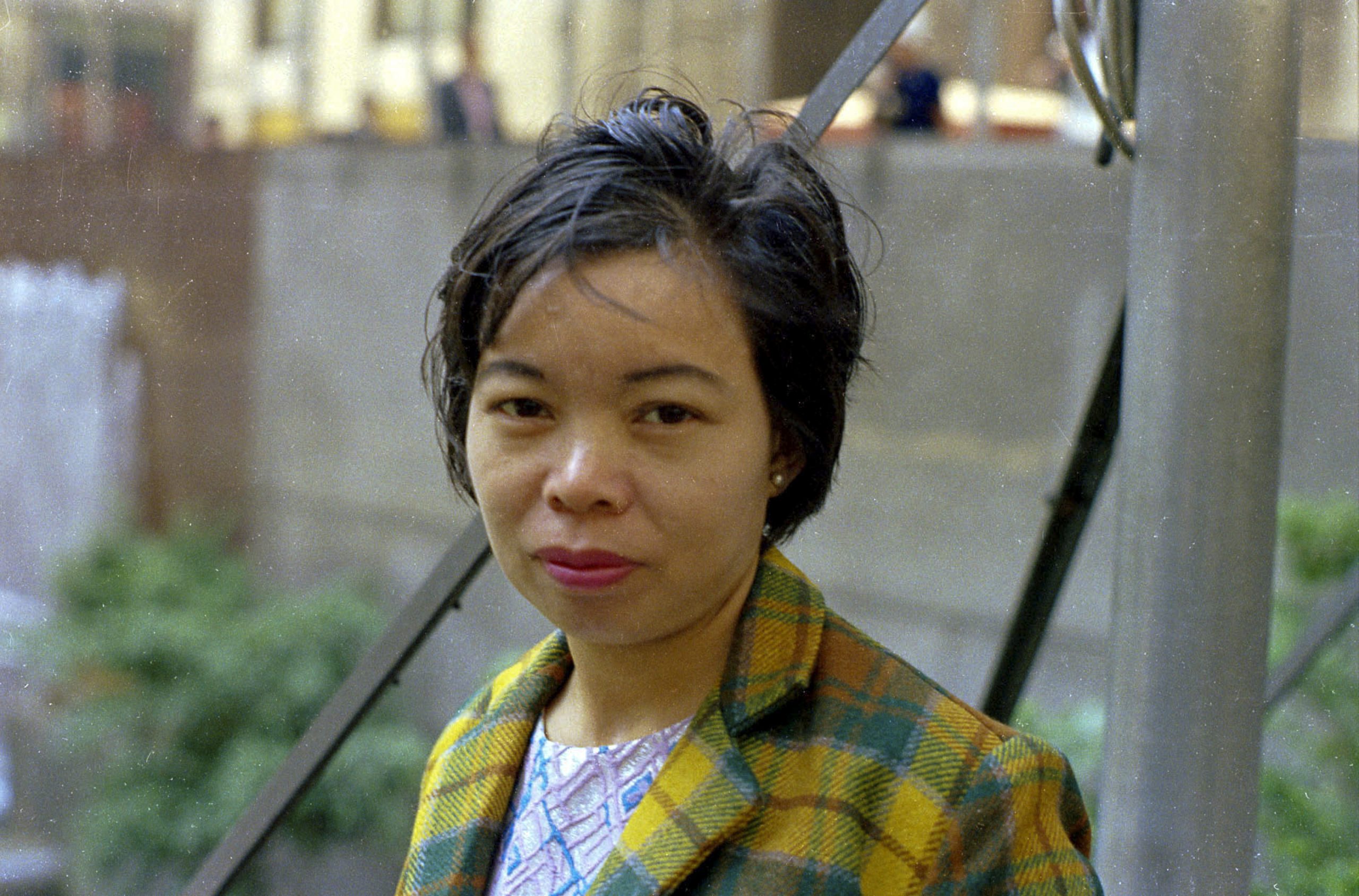
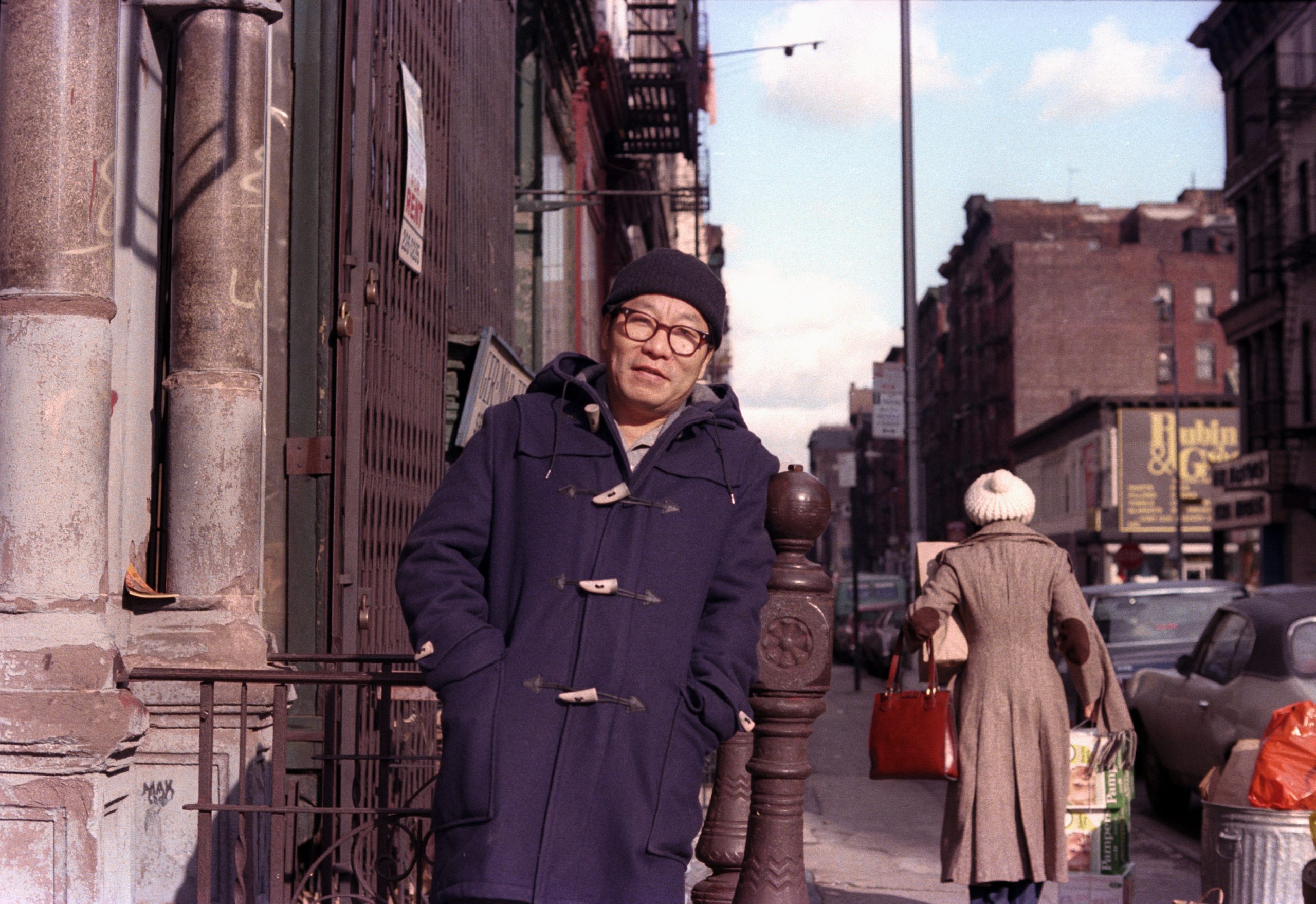
His uncle had a friend who created a number of fictitious identities and my dad had to memorize all the details of this person who he was about to become. When he arrived in America in Boston – flying all across the world, the Middle East, Europe, etc… with many legs; planes were not that long range at the time and needed to refuel – they held him in Immigration Detention for 19-23 days or so, until they got around to his turn to interrogate him. Finally, they interrogated him and it was a very detailed questioning. They asked all of these questions. The first question asked was, “Do you speak English? Do you require a translator?” and after the third question, it was basically a lie. They asked him, “How many houses are in your village?” They said — “Gotcha! There are 75 houses, according to your father. What have you to say to that?” He was quick on his feet. He said: “My father hasn’t been home for many years, so with the floods and war, there are fewer houses today than there were back then.” My dad was also represented by an attorney — one of the first Chinese American lawyers to argue a case in front of the Supreme Court. The guy who interrogated him had served in the U.S. Foreign Service during the World War.
They let him in and the first thing this uncle did was hand him an invoice for $9,000. My great uncle had come to America in 1935, after Cuba in 1927, which he left before my dad was born in 1929. That’s equal to around $250,000 today. This was two to five years’ of income for an average American. It took my dad more than 20 years to pay it off.
All of our stories are so emblematic of this time and circumstances that are unrecognizable today. The details are so specific to that time, to the Chinese Exclusion Act and the aftermath, being a paper son and coming to America under a fake name. We’re in an age with retinal scans and DNA.
+ How have you seen Chinatown change over time?
There are two main differences between the Chinatown of then (1970s / 1980s) and the Chinatown of now (2010s / 2020s). The gentrification of the neighborhood – what used to be a relatively cheap part of town to live in is now prime real estate. That’s quite visible. For many years, Chinatown was underpriced in comparison to the rest of the city, which made it popular for non-Chinese. Chinatown was attractive for that reason. There are many theories about this. The community itself was mostly working class and didn’t have a lot of money, so the pricing reflected that low income. That hasn’t changed – Chinese Americans are still the lowest impoverished group in New York City. Back then, that was even more so.
The neighborhood was dominated by garment factories, which are almost all gone now. In the 1970s, there were hundreds of thousands of Chinese garment workers. Now, there’s less than 10,000 in New York City.
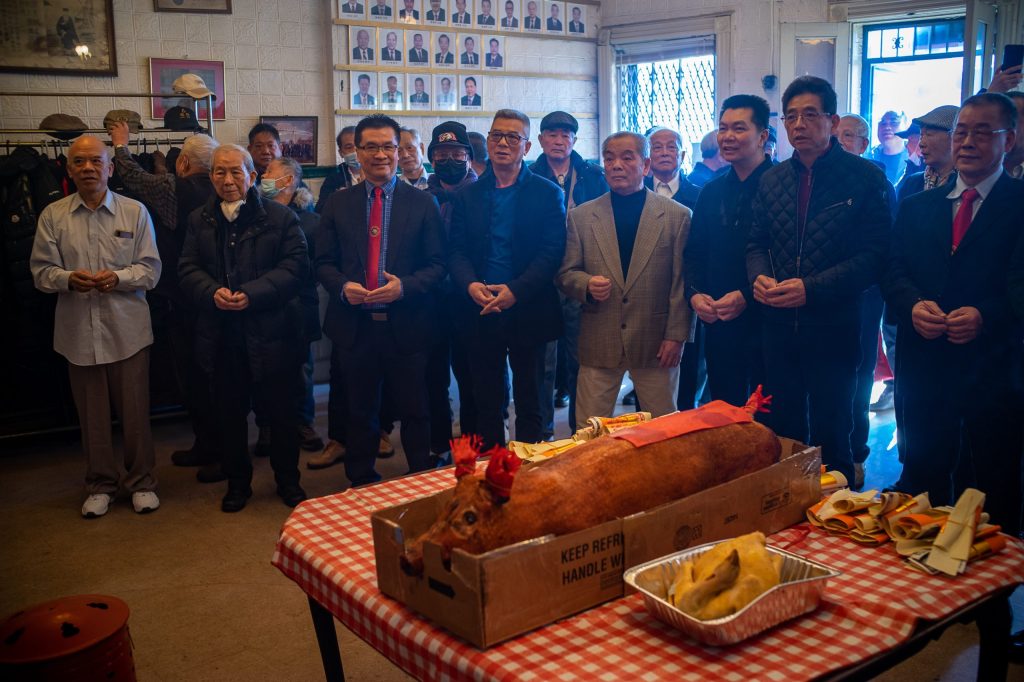
Lunar New Year celebration at the Chin Family Association building, February 6, 2023.
The other biggest change was the transition since the 1990s of the mostly Toishanese / later Cantonese population to today a Fujianese- and Mandarin-speaking population. The demographics of Chinatown have changed enormously; in my childhood it was just the transition from Toishanese to Cantonese. The Chinese are far more diverse today than when I was growing up.
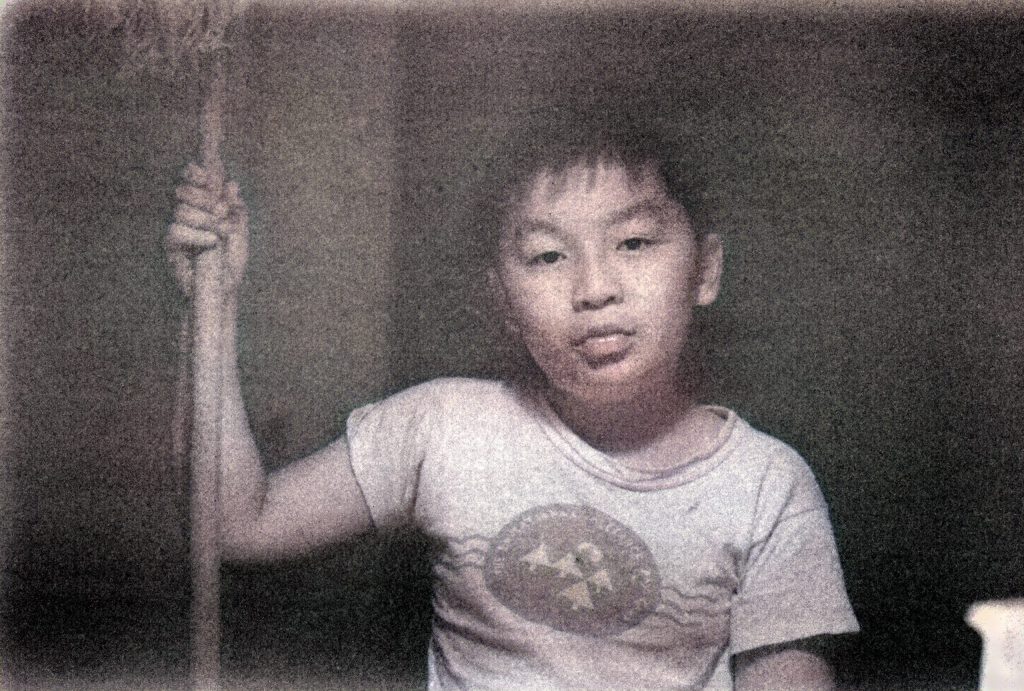
Alan, 1970s. Photograph courtesy of Fow Sang Chin.
+ What was your childhood in Chinatown like?
I would get off from P.S. 124, walk down Bayard Street two blocks and make a right to go to the Chinese School at the CCBA on Mott Street. Either my grandmother or great uncle would pick me up, walk me a few blocks to the Chinese School and pick me up after it. Later on, I did this myself, starting from 4th or 5th grade. Chinatown in those days: outside P.S. 124, there was a cart selling knishes at 45 cents, an old New York aluminum pushcart. Often after school, I would buy one with my pocket money.
On Mott Street right next to the CCBA was a Chinese-owned hobby shop called Wah Kue. They sold model airplanes and ships. I don’t know what the girls were doing, but the boys sniffed a lot of airplane glue. We got our model kits there. There were also, in those days, which are all gone now, storefront newsstands with soda fountains that also sold candy and soft drinks and racks of comics books. There were two on Mott Street. By the 1970s and 1980s, they focused mostly on the candy and comic books. The boys would get comic books — 50 cents then. In between regular school and Chinese school, I would stop off there to buy the newest X-Men or Avengers.
Grand Street in that era was not Chinese; it was Jewish and was still full of bridal shops. You see the last vestiges of that on Orchard Street. Stores used to have the entrances with glassed display space that you’d have to walk through to go into the store. Grand Street was full of these with bridal dresses. I might as well be talking about the Roman Empire; this is gone now!
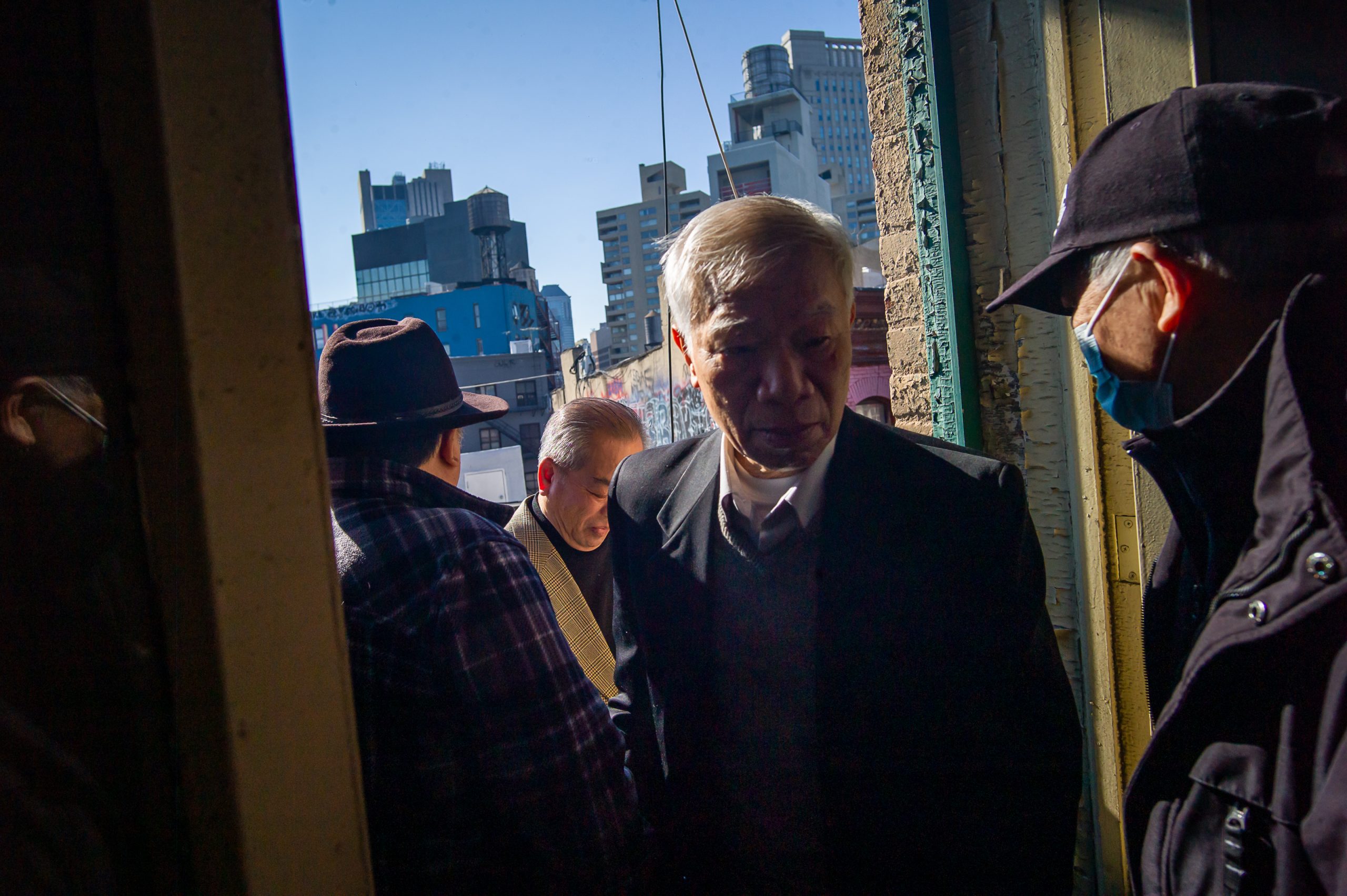
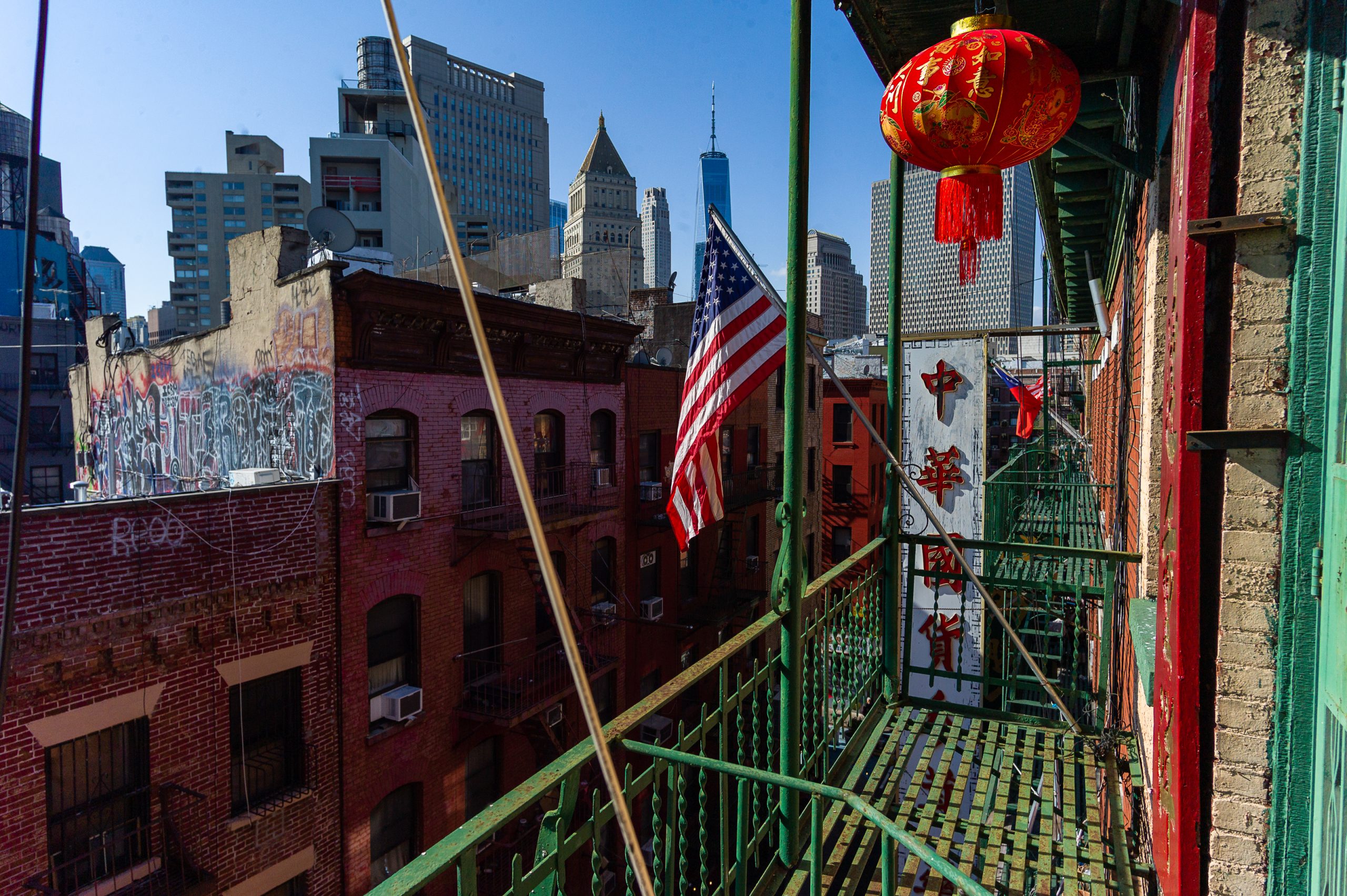
Lunar New Year Celebration at 10 Pell, February 6, 2024.
+ What was different then, on the streetscape?
Cops were different. Cops wore short sleeves in the summer, not militarized with bullet-proof vests like today.
Pay phones were everywhere and we really used them. Chinatown had the Chinese-style payphones.
There was a sense of danger, especially after dark. The bad guys knew that the waitstaff would go home with their purses full of tips.
It would have been 1983. I was 12, walking on Catherine Street, and a kid who was a teen comes up to me. There was a digital watch craze in the 1980s and having one was a big deal. I had one, maybe for my birthday or Christmas, and this kid comes up and tells me: “Give me that watch!” I started fighting him. We ended up on the ground and a store owner came out and broke it up. I got saved. A few weeks later, at a field trip with summer camp, I had to take a dump in the woods. I had put the watch on my belt loop and I lost the digital watch.
+ How did you become connected to the Chin Family Association?
My great uncle Sing loved the coffee shop below the Gee How Oak Tin Association building, Mei Lai Wah. Back then, it was one of the newest and they’d just redone it. It was a space-age kind of space and famous for its buns.
My dad has a love-hate relationship with the association; there were politics in Chinatown. There is a kind of successful class in Chinatown that owns a lot of things — businesses, garment factories, restaurants, buildings, are members of leadership in the CCBA — the so-called leading families in Chinatown who also ran the family associations. A relatively smaller group of people controlling a larger percentage of assets in Chinatown — HELLO, welcome to America. My father, not being one of these people, and us not being one of these families, had mixed feelings about it. He didn’t necessarily approve of this. He was progressive and leftist in his politics and didn’t need to be one of their tools. We would go to the building on Chinese New Year and he knew everyone, but he wasn’t one of the groupies.
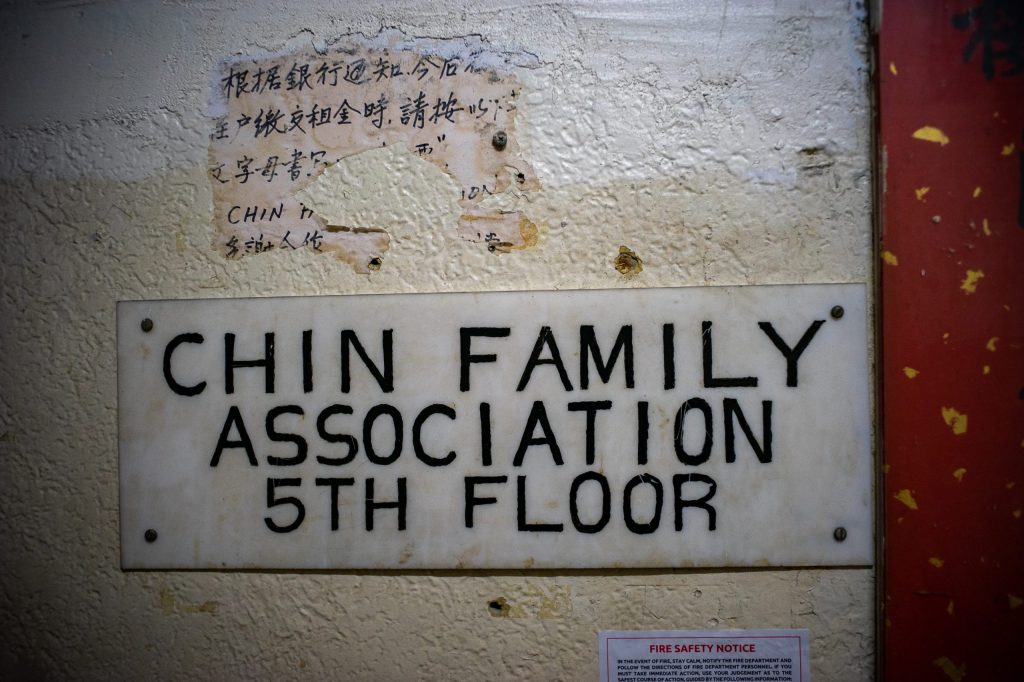
For me, I feel that — all of them are dead, and while it’s not my scene, I know a lot of people in Chinatown and if there is going to be a future for family associations and traditions, then people like me cannot reject it. We have to, in whatever terms we can or want, have to engage. That is why I became a member of the family association four years ago. I think it’s important that we have that connection.
+ What do you remember about the interior of 10 Pell?
I remember going to that crash pad once — it was your typical, crappy tenement apartment, no different than any other.
+ Does the Chin Family Association own the building? How long has the association been at 10 Pell and what is the building used as?
The Chin Association’s main headquarters is the Gee How Oak Tin Association building on Bayard Street [62-64 Bayard]. The secondary building is 10 Pell. They own that whole building and mostly it’s rented out as apartments. In my childhood, they had at least one apartment that was the bachelor crash pad for members. In that era, many Chinese guys ran businesses in the suburbs outside of the city. They would come to Chinatown once a week or month and would do that to collect their mail, to socialize, to get groceries, etc. The family associations played that role as support. In our case, they also maintained this crash pad where people from out of town could stay a night. Even by the 1970s / 1980s, the apartments still existed. I remember there was a minor kerfuffle — a couple of guys who were staying in the communal apartment didn’t leave when they were supposed to. I remember the grown-ups talking about this.
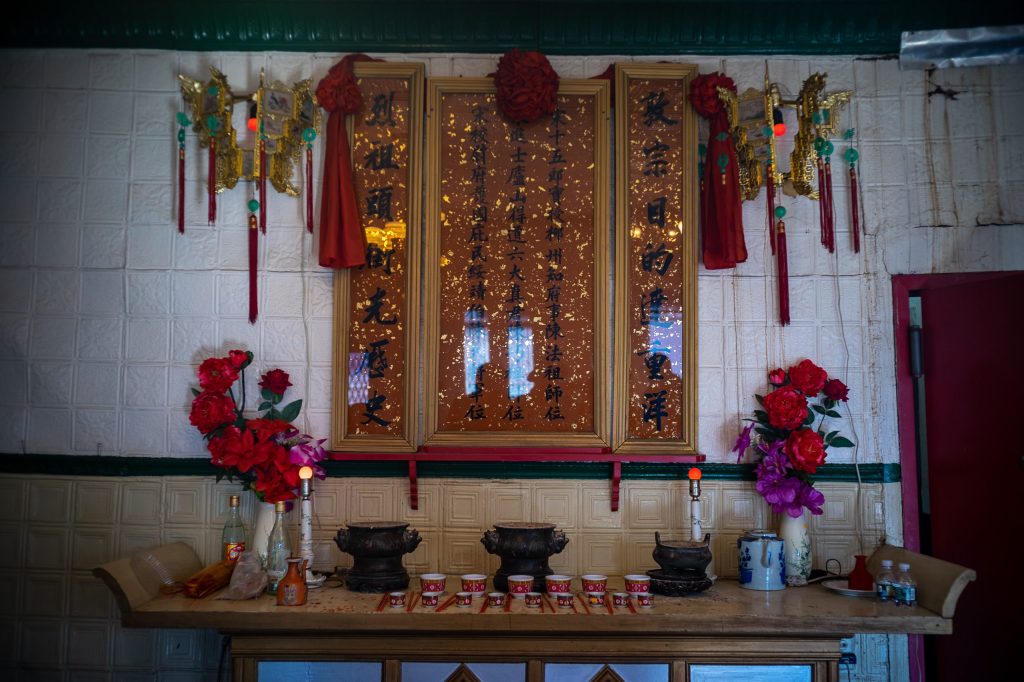
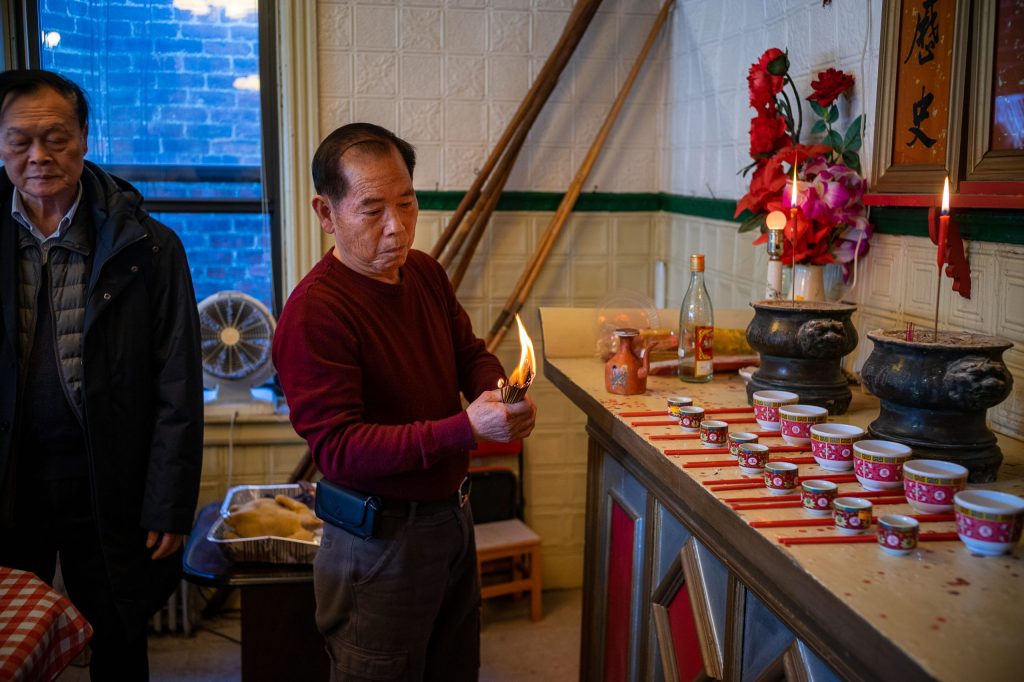
But the top floor apartment is not rented out and is kept by the family association. Every year, there’s one day around the new year where there’s a celebration up there with a roast pig. It also happens in the Gee How Oak Tin Association building [on Bayard] but everyone walks over from Bayard to Pell. I believe they do this because the Chin Family Association actually started at 10 Pell and expanded later to Bayard — 10 Pell is the historic address, I believe from the 1890s or so. The founders have historic photos on the walls there. So that’s an important location.
Many family associations own a lot of the buildings in the neighborhood and are a source of stability in the neighborhood because they’re not selling [their buildings].
The Chin Family Association Building at 10 Pell.
+ When was this building constructed?
It’s certainly over a hundred years old. It’s emblematic of the “new law tenements”. Because of overcrowding in tenements, in 1903 they passed a revolutionary law that every bedroom has to have a window. The way to do this at the time was to build an air shaft. Buildings built before the law were modified in this way. Most of what we know as tenement buildings are “new law tenements”. I believe this building on 10 Pell is one of these — it has at least one air shaft. Each floor has a few apartments.
+ Can you share any information about the neighborhood’s past lives?
There was definitely an era of many decades, ending in the 1980s, where there was this crash pad for association members.
In more recent decades, all of Pell Street is the oldest part of Chinatown.
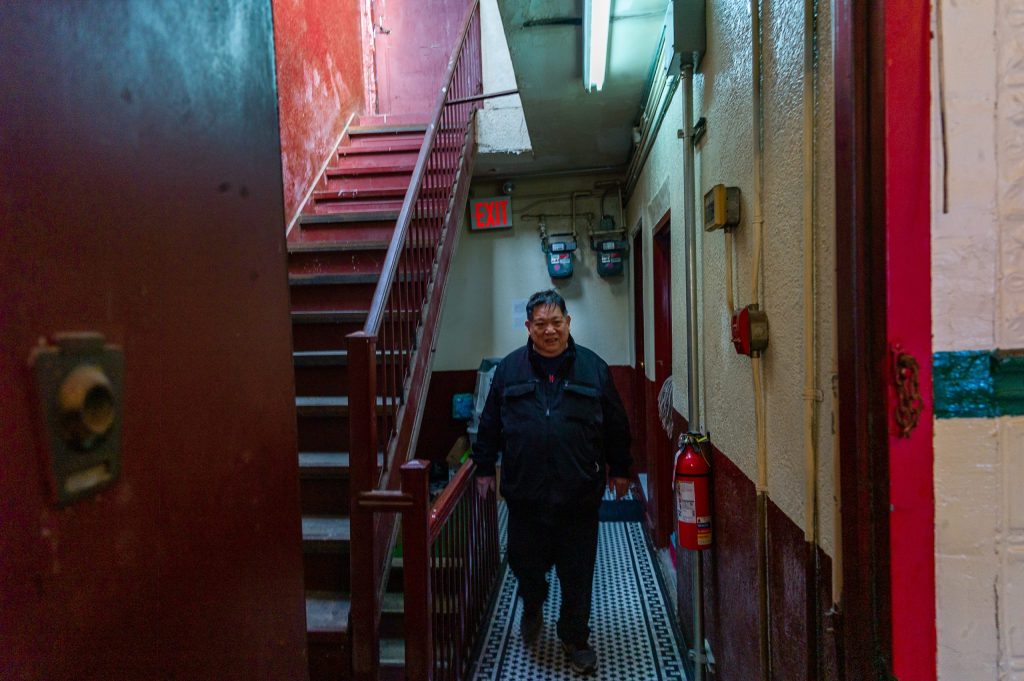
Right across the street from 10 Pell was that famous restaurant, Ging Sin. That was where they had a unique dish: Chinese pastrami over rice and Chinese corned beef over rice.
I’ve never had them anywhere else. They were American, Western dishes, slightly tweaked for the Chinese palate. I think they were open 24 hours and I went there a lot with my dad.
The historic building on the corner (18 Bowery) was off-track betting. All the people losing their shirts would get their pastrami rice at the restaurant down the street. On that corner, in the shadow of the off-track betting, was Chinatown’s only Chinese homeless guy who lived there regularly. My dad would sometimes give him a cup of coffee. He was Pell Street’s homeless guy.
+ What are your fondest memories of this building?
Visiting the bachelor apartment, as I did as a young child, was an important memory from my childhood. We lived at one point in a similar building on Grand Street, but this was connected to the larger history of Chinatown and the Chinese community in New York City and the history of that.
You go into this old building and walk up these old stairs and everything is run down and dingy, not in a bad way because I was used to that, and you go into this apartment and these old guys were hanging out… clouds of cigarette smoke and old school fans going. Telephones used to ring in a certain way. In many of these apartments, there was a telephone on the wall. I remember my dad took me up there to say hi to one of the guys and as a kid, you’re not a participant, you’re an observer. I knew even then, it was outside of our normal family life. I realized that we were part of this Chinatown world.
When I was back in the building a few years ago at this celebration, for the first time in decades, I remembered that. I feel like it hasn’t changed that much and that I’m part of this continuum of generational history… and it’s more special than I ever wanted to think or care.
+ How have you seen Chinatown impacted since the pandemic started? How have you felt about this?
We are losing a lot of our long-established businesses. This is just heartbreaking. We just jumped 10 years of natural loss in one year.
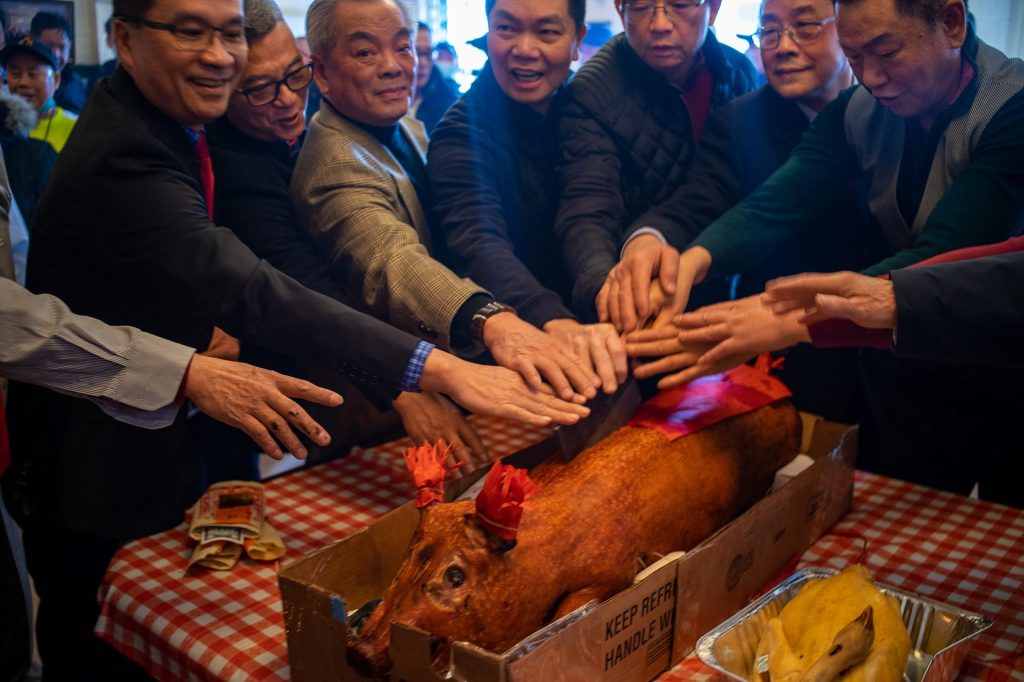
Lunar New Year Celebration at 10 Pell, February 6, 2024.
10 PELL - BUILDING PHOTOGRAPHS
Photographs taken in 2024.